
Hey Deacon!
-
 February 10, 2026
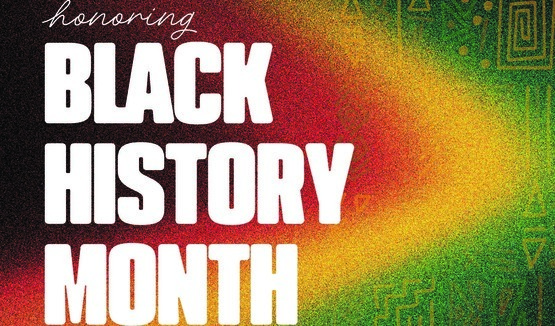
Each February, the Church in the United States joins our wider community in observing Black History Month. While the Catechism of the Catholic Church does not mention this observance by name, it provides the theological foundation for why the Church honors the history, dignity, and contributions of Black Catholics—and why she confronts the sin of racism with clarity and hope.
At the heart of the Catechism is the truth that every human person is created in the image and likeness of God. The Church teaches that all people share the same dignity and are equal before the Lord (CCC 1934). Because of this, the Catechism states plainly that any form of discrimination “must be curbed and eradicated as incompatible with God’s design” (CCC 1935).
Black History Month is a time to remember that racism is a sin, a wound against charity, justice, and the unity of the human family. The Catechism calls Christians to actively work to remove “structures of sin” and to promote justice and solidarity (CCC 1888; 1928–1948). This month invites us to examine our hearts, heal divisions, and recommit ourselves to the Gospel’s call to love.
The Church also uses this month to celebrate the deep and enduring faith of Black Catholics, whose witness has strengthened American Catholicism for centuries. From the earliest days of Christianity, shaped profoundly by African saints such as Augustine, Monica, and Cyprian, to the perseverance of enslaved Africans who clung to the hope of the Gospel, the story of Black Catholics is woven into the very fabric of our faith.
In the United States there are six African American Catholics currently on the path to sainthood, each being a powerful witness of holiness and perseverance -- the Venerable Pierre Toussaint (1766-1853) , Mother Mary Lange (1784 -1882), Henriette Delille (1813-1862), Julia Greeley (1833-1918), Sister Thea Bowman (1937-1990) and Father Augustus Tolton (1854–1897). Fr. Tolton is from Missouri, born into slavery in Brush Creek, Ralls County, and baptized at St. Peter’s Catholic Church. He escaped Missouri with his family during the Civil War and later became the first recognized Black American priest.
The Church also highlights the importance of Catholic institutions that have served the Black community. Xavier University of Louisiana, the nation’s only Catholic historically Black university, continues to form leaders in education, science, medicine, and public service. Parishes, schools, and diocesan offices across the country offer liturgies, educational programs, and service opportunities that honor Black Catholic heritage and promote racial reconciliation.
Ultimately, the Church’s role during Black History Month is rooted in her mission: to proclaim Christ, to uphold human dignity, and to build a community where every person is welcomed, valued, and loved. As Catholics, we are called to remember the past with honesty, celebrate the present with gratitude, and work for a future marked by justice, unity, and peace.
May this month inspire us to learn, to listen, and to allow the Holy Spirit to renew our hearts so that the Church may more fully reflect the Kingdom of God, where people of every race and nation stand together in praise of the Lord.
Author Bio:
Deacon Dan Vaughn